
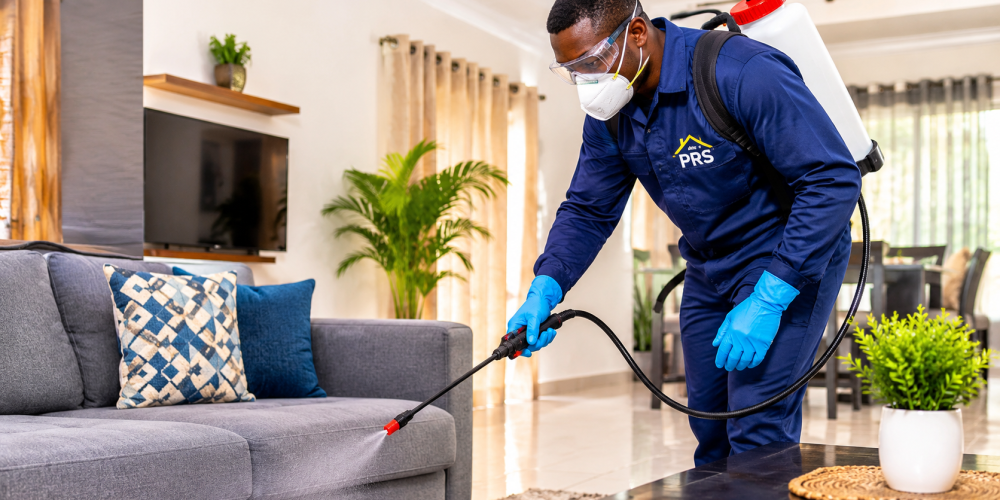
Have you ever wondered why cockroaches suddenly appear in your kitchen, mosquitoes become more noticeable around your home, or ants keep finding their way into your office, even when you clean regularly?
You are not alone.
One thing many property owners in Nigeria overlook is that keeping a house or office clean does not automatically mean it is free from pests. Insects and other unwanted pests can find their way into buildings through drainage systems, cracks, doors, windows, stored materials and even items brought into the property.
This raises an important question: How often should you fumigate a house or office in Nigeria to keep pests under control?
Should you fumigate every three months, every six months, or only when you start noticing pests?
The truth is that there is no single fumigation schedule that works for every property. The right frequency depends on the type of pests you are dealing with, the condition of your environment, the level of infestation and the type of treatment required.
In this guide, we explain how often you should fumigate your home or workplace, the signs that your property needs professional pest control, and what you can do to prevent pests from returning.
How Often Should You Fumigate a House in Nigeria?

For many residential properties, scheduling a professional pest inspection and preventive treatment every three to six months can be a reasonable starting point. However, this is not a fixed rule for every home.
Some properties may require less frequent treatment, while others may need more attention because of recurring infestations, poor drainage, nearby bushes, waste disposal conditions or other environmental factors.
For example, a house located close to an open drainage system may experience more frequent cockroach and mosquito activity than a property in a well-maintained residential environment.
Similarly, a home that has experienced a bedbug infestation may require a specific treatment plan and follow-up visits rather than waiting another three or six months for routine fumigation.
The most important thing is to identify the pest problem and choose a treatment schedule that addresses its actual cause.
How Often Should an Office or Commercial Building Be Fumigated?

Offices and commercial properties also need regular pest management. In fact, businesses should not wait until employees or customers start complaining before taking action.
Think about it. An office may have a kitchen, restrooms, storage rooms, waste bins, furniture and several areas that are rarely inspected. These spaces can provide food, moisture and shelter for pests.
A small cockroach problem in the kitchen can spread to other parts of the building. Rodents can damage electrical cables, documents, stored materials and office equipment. Insects can also create an uncomfortable environment for employees and visitors.
For offices and commercial buildings, a quarterly inspection or preventive pest management schedule may be suitable for properties with regular pest exposure. However, buildings with higher risks, such as food storage facilities, restaurants and warehouses, may need more frequent monitoring and specialised treatment.
The appropriate schedule should always be based on the property’s activities, pest history and environmental conditions.
Recommended Fumigation Frequency for Different Properties
Not every building has the same pest control needs. Here is a practical guide to help you understand how different properties may approach fumigation and pest management.
| Property type | Suggested approach |
|---|---|
| Residential houses and apartments | Preventive inspection and treatment every 3–6 months, depending on pest activity |
| Offices | Quarterly preventive inspection, with treatment based on findings |
| Restaurants and food establishments | Frequent monitoring and a documented pest management programme |
| Hotels and guest houses | Regular inspections and prompt treatment when pest activity is detected |
| Warehouses and storage facilities | Scheduled inspections based on stored materials and pest risks |
| Schools and educational facilities | Periodic inspections and preventive treatment based on occupancy and pest exposure |
| Industrial buildings | Property-specific pest management schedules and regular monitoring |
Important: These are general planning guidelines, not compulsory treatment intervals. Some infestations require immediate attention and specialised follow-up, while properties with no significant pest activity may need inspection rather than repeated chemical application.
6 Factors That Determine How Often Your Property Needs Fumigation

Before deciding how frequently to fumigate, it is important to understand what makes some properties more vulnerable to pests than others.
1. The Type of Pest in Your Property
Different pests behave differently, reproduce at different rates and require different control methods.
For example:
- Cockroaches: They can hide in kitchen cabinets, drainage areas, wall cracks and other dark spaces. Their presence may indicate a need for proper inspection and treatment.
- Bedbugs: They hide in mattresses, bed frames, furniture and small cracks. Treating visible insects alone may not eliminate an infestation.
- Termites: They can damage wooden doors, furniture, ceilings and other structures. They require specialised inspection and treatment.
- Mosquitoes: They breed in stagnant water and other suitable breeding locations. Eliminating breeding sites is just as important as treating adult mosquitoes.
- Rats and mice: They can contaminate food, damage property and create health risks. Their control requires attention to entry points, food sources and hiding places.
This is why using the same treatment for every pest problem is not always effective.
2. The Location and Surrounding Environment
Where your property is located can influence how frequently pests enter the building.
Properties close to open drains, bushes, stagnant water, poorly managed waste disposal areas or construction sites may experience more pest activity.
This can happen in residential areas, commercial districts and developing neighbourhoods across Nigeria.
For instance, a property may be cleaned regularly but still experience recurring cockroach problems because pests are entering through nearby drainage systems.
In such situations, fumigation should be accompanied by environmental improvements and measures to prevent pests from gaining access to the building.
3. The Condition of the Building
Cracks in walls, damaged doors, broken window screens, leaking pipes and gaps around plumbing installations can create opportunities for pests to enter and hide.
A building with several entry points may experience recurring pest problems even after professional treatment.
Inspecting and repairing these areas can make a significant difference in keeping pests away.
4. The Level of Existing Infestation
There is a difference between preventing pests and dealing with an established infestation.
If you occasionally notice an insect, the problem may be manageable with targeted treatment and preventive measures.
However, if cockroaches appear regularly, rodents are damaging items or bedbugs are spreading between rooms, a more detailed treatment plan may be necessary.
Some infestations require more than one treatment session. The number and timing of follow-up visits should depend on the pest involved and the treatment method used.
5. How the Property Is Used
A family home, a restaurant, a hotel and a warehouse do not experience the same level of pest exposure.
For example, a restaurant regularly handles food and generates waste, making proper sanitation and pest monitoring particularly important.
An office may have fewer food-related risks but still attract pests through storage areas, kitchenettes and neglected corners.
The more activities that create food sources, moisture or hiding places for pests, the more attention the property may require.
6. The Previous Fumigation Treatment
The type of treatment previously used also matters.
Different pest control products and application methods have different residual effects. Some treatments may provide longer-lasting protection against certain pests, while others are intended to address an immediate infestation.
If pests return shortly after treatment, it does not automatically mean that you should simply fumigate more frequently. The original infestation may not have been fully addressed, or there may be an underlying source that needs attention.
A professional assessment can help determine what went wrong and the most appropriate next step.
When Should You Fumigate Your House or Office?
Apart from having a regular maintenance schedule, there are certain situations when you should consider professional fumigation or pest control without waiting for your next scheduled treatment.
These include:
Before Moving Into a New House or Apartment
Moving into a new property is one of the best opportunities to address possible pest problems before your furniture, clothes and household items are brought in.
Even a freshly painted or recently cleaned apartment may have cockroaches, bedbugs, termites or other pests hiding in areas that are not immediately visible.
Having the property inspected and treated where necessary can help you start in a cleaner and more comfortable environment.
Before and During the Rainy Season
Changes in weather and environmental conditions can influence pest activity.
During the rainy season, accumulated water, blocked drainage systems and damp areas can create favourable conditions for certain pests, particularly mosquitoes.
Rather than waiting until mosquitoes become a serious problem, inspect your surroundings, remove stagnant water and address any pest activity early.
After Noticing Signs of an Infestation
Do not wait until pests become difficult to manage.
Seeing droppings, damaged food packaging, unusual holes in wooden materials, repeated cockroach sightings or signs of bedbugs should prompt further investigation.
Early intervention can help prevent a small problem from spreading.
After Renovation or Construction Work
Renovation can disturb areas where pests have been hiding, while construction materials and stored items may introduce new pest problems.
Inspecting the property after renovation can help identify and address any issues before normal activities resume.
When Taking Over a Commercial Property
If you are opening a new office, restaurant, hotel, shop or warehouse, consider a professional pest inspection before beginning operations.
This helps identify possible pest activity and allows you to establish an appropriate maintenance plan from the beginning.
Does Regular Cleaning Remove the Need for Fumigation?
No. Cleaning and fumigation serve different purposes, and one should not be treated as a complete replacement for the other.
Regular cleaning helps remove food particles, waste, dirt and other conditions that attract pests. It also makes it easier to identify signs of pest activity.
Professional pest control, on the other hand, focuses on identifying, managing and treating existing pest problems.
For the best results, both should work together.
Here are some simple practices that can help:
- Dispose of household and office waste properly.
- Avoid leaving uncovered food on kitchen surfaces.
- Clean under appliances, furniture and storage areas.
- Fix leaking pipes and taps.
- Remove stagnant water around the property.
- Keep drains and gutters clear.
- Seal cracks and openings where pests may enter.
- Store food and other materials properly.
- Inspect mattresses, furniture and wooden structures regularly.
Remember, fumigation may eliminate pests present during treatment, but poor sanitation and untreated entry points can create conditions for another infestation.
Why You Should Not Fumigate Too Frequently Without Professional Advice
It is easy to assume that more frequent fumigation automatically means better protection. However, this is not always true.
Using pesticides repeatedly without identifying the actual pest problem can lead to unnecessary chemical exposure and ineffective treatment.
The type of pest, the chemical used, the application method and the condition of the property should all be considered before treatment is repeated.
Professional pest management should focus on identifying the source of the problem, selecting the appropriate control method and monitoring the results.
It is also important to follow all safety instructions provided by the service provider. Occupants, children and pets should observe the required evacuation, ventilation and re-entry instructions for the particular treatment used.
The goal is not to fumigate as frequently as possible. The goal is to keep your property protected through the right treatment at the right time.
How to Know When Your Property Needs Professional Fumigation
Sometimes, pest problems are not immediately obvious. However, there are warning signs you should never ignore.
Consider arranging a professional inspection if you notice:
- Cockroaches appearing regularly, especially during the day.
- Mosquitoes becoming increasingly common indoors.
- Bedbug bites or visible signs around mattresses and bed frames.
- Rats or mice entering kitchens, ceilings or storage areas.
- Termite activity or unexplained damage to wooden materials.
- Unusual droppings, unpleasant smells or damaged food packaging.
- Pests returning shortly after a previous treatment.
You do not have to wait until the entire building is affected before seeking help.
An early assessment can help identify the problem and prevent it from becoming more difficult to manage.
Why Professional Fumigation Matters for Homes and Businesses
While some minor pest problems can be addressed through basic preventive measures, established infestations often require a more organised approach.
Professional fumigation and pest control services help property owners identify the type of pest involved, assess the affected areas and determine the most suitable treatment.
This is particularly important for properties with children, employees, customers, stored goods or valuable equipment.
At PRS Group Africa, our PRS Fumigation & Cleaning services are designed to support residential, commercial and industrial properties with environmental and facility management solutions.
Whether you need assistance with a residential building, office, hotel, warehouse or other facility, the treatment requirements should be determined by the nature and condition of the property.
Rather than applying a one-size-fits-all approach, the property should be assessed to determine the appropriate service and treatment plan.
Frequently Asked Questions About Fumigation in Nigeria
1. How often should I fumigate my house in Nigeria?
For many homes, preventive pest control every three to six months can be a reasonable starting point. However, the right schedule depends on pest activity, the surrounding environment, the type of infestation and the treatment required.
2. How often should an office be fumigated?
A quarterly inspection and preventive pest management schedule may be suitable for many offices. However, offices with food preparation areas, storage facilities or recurring infestations may require more frequent monitoring and treatment.
3. Is it necessary to fumigate when there are no visible pests?
Not necessarily. Preventive pest management can help identify potential problems before they become serious. However, an inspection may be more appropriate than automatically applying pesticides when there is no evidence of pest activity.
4. What is the best time of year to fumigate in Nigeria?
There is no single best month for every property. Treatment should be based on the pests present, environmental conditions and the property’s exposure. However, inspecting your property before periods of increased pest activity can help you prepare early.
5. Why do pests return after fumigation?
Pests may return because some eggs or hidden populations were not eliminated, neighbouring areas remain infested, entry points were not sealed or food and water sources are still available. Some infestations also require follow-up treatment.
6. Can I fumigate my house myself?
Some minor pest problems may be managed using suitable household pest control products. However, larger or recurring infestations may require professional assessment and treatment. Always follow product instructions and avoid mixing chemicals or applying pesticides in ways that expose people and pets.
7. How long should I stay away from my house after fumigation?
There is no universal waiting period. The time depends on the product, application method and treatment instructions. Your service provider should clearly explain when occupants can safely return and whether additional ventilation is required.
8. Does PRS Group Africa provide fumigation services for offices and commercial properties?
Yes. PRS Fumigation & Cleaning caters to different property types, including residential, commercial and industrial facilities. The recommended treatment and quotation depend on the property assessment and the nature of the pest problem.
Final Thoughts: Don’t Wait Until Pests Take Over Your Property
Keeping your home or workplace free from pests requires more than occasional cleaning or waiting until insects become visible.
Regular inspections, good sanitation, proper waste disposal and timely professional pest control can make a significant difference.
Whether you manage a family home, an office, a hotel, a warehouse or a commercial facility, the best fumigation schedule is one that considers your property’s actual needs.
Are you noticing cockroaches, bedbugs, mosquitoes, termites or other unwanted pests around your property?
Don’t wait until the problem becomes more difficult to manage.
Contact PRS Group Africa to discuss your fumigation and cleaning needs. Our team can help assess your property and determine the appropriate service for your space.
Keep your environment clean, comfortable and better protected with professional fumigation and cleaning solutions from PRS Group Africa.